-
JD Spinoza
JD Spinoza
JD enjoys teaching people how to use ZoomShift to save time spent on scheduling. He’s curious, likes learning new things everyday and playing the guitar (although it’s a work in progress).
- Jan 22, 2026
10 Tips on How to Handle a Disgruntled Employee

No matter how positive your workplace is, dealing with disgruntled employees is sometimes unavoidable. In fact, only 15% of employees worldwide report feeling engaged in their work. When employees feel valued and connected, they’re far more motivated to contribute to company goals.
Disengagement can come at a high cost — up to 34% of an employee’s salary — due to reduced productivity, higher turnover, absenteeism, and other challenges. Left unaddressed, disengaged employees can quickly become dissatisfied and difficult to manage.
With 85% of employees reporting dissatisfaction with their work environment and difficulty concentrating, even small negative experiences can have a bigger impact.
That’s why it’s important to recognize the signs early and take steps to address them in 2026.
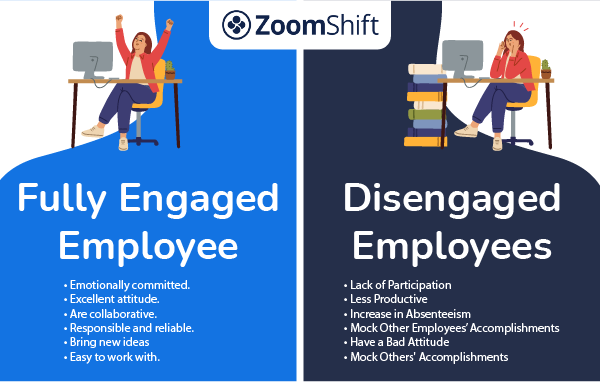
Disgruntled employees can have a significant impact on your business. They may deliver poor service that affects customer experience, contribute to a negative work environment, or in extreme cases, engage in harmful behavior such as spreading rumors or misusing company resources.
As an employer, it’s natural to feel frustrated — but these situations are often the result of specific workplace issues or a broader sense of disconnection. Taking the time to understand their perspective can make a meaningful difference.
Handled correctly, a disgruntled employee situation can become an opportunity to improve workplace culture and strengthen relationships. In this guide, we’ll walk through 10 practical tips for managing these situations effectively in 2026.
How to Identify Disgruntled Employees
There are many signs of a disgruntled employee. Look out for:
- Decreased productivity: A study from Oxford found that workers who rated their happiness as high were 13% more productive than those who said they were sad. One of the first signs of a disgruntled employee is a noticeable drop in work performance. Look for missed deadlines, incomplete tasks, or a general decline in the quality of work.
- Frequent absenteeism: Disgruntled employees have lots of absences and frequently arrive late and leave early. A recent report found out that actively disengaged employees have 37% higher absenteeism.
- Negative attitude: A shift in attitude is a major red flag. Look out for negative, cynical, or hostile demeanor towards colleagues and management.
- Lack of initiative: Employees who no longer show enthusiasm for their work or stop volunteering for projects could be feeling disengaged.
- Complaints and grievances: Pay attention to employees who frequently express dissatisfaction with the job. For example, if an employee constantly complains about their workload, it could be a sign that they are feeling overwhelmed and frustrated.
- Physical signs of stress: Look for signs such as fatigue, irritability, or changes in physical appearance that may indicate the employee is under significant stress. The stress hormone cortisol wreaks havoc on the physical of a person.
Deal with any issues promptly.
As soon as you see there is a problem, it’s time to deal with it. The longer you wait to address the issue, the worse it will be. The more time it has to fester just adds fuel to the fire. It may not be an enjoyable conversation, but it needs to happen sooner rather than later. One employee’s anger can also spread quickly to the rest of the office if left unattended.
You don’t want to take that risk, so make sure you get onto it as soon as possible. Your first point of action is to talk to the employee themselves. Don’t worry, we will address the best ways to do so in this article.
After confronting the situation, it may be necessary to address the rest of the staff. If there is talk amongst your employees, make sure you deal with any rumors. Take a moment to address that it has been taken care of and that it is time for everyone to refocus and get back to work.
Remain professional.
It is important to always remain professional when handling any work situation. Stay professional regardless of how the disgruntled employee behaves. Avoid yelling, swearing, or stooping to their level. Stay calm whether the problem is personal or impersonal. Try not to lose your cool.
Keep in mind that it’s not actually likely to be a personal matter – it’s work-related, not a reflection of you as a person. It needs to be handled in a professional manner, on behalf of the company.
Keep it private.
Don’t confront a disgruntled employee in front of others. That will show a lack of respect and immediately get everyone offside. The disgruntled employee will feel embarrassed and defensive. And other employees might gang up on the disgruntled individual. Or they may even jump to the aid of the employee, and you’ll have a bigger issue on your hands than you thought.
Always take it to a more private setting, such as a meeting room or private office. You can also do it over a virtual meeting if needed. Though it can often be better to manage these discussions in person if possible.
Listen with compassion.
Have an open-door policy when it comes to communication in good times and in bad. Actively listening to a disgruntled employee is sometimes enough to alleviate concerns. People often feel better when they are being appreciated and listened to.

Source: Smarp
Allow them to say whatever they need to say and listen with compassion. Try not to jump in to defend, deny, explain, or minimize what they’re telling you. Also, make sure you don’t enter into the conversation with a blame mindset. You might not want to have these sorts of conversations, but they are necessary.
Before you jump to any conclusions, take the time to dig in and really find out what’s going on with the individual. This is your opportunity to work out what is happening within your company.
Find out why they’re upset. They could be frustrated with you, their current job status, or another member of the staff. They could even be struggling with something unrelated to their time at work. In that case, just be there to listen, and allow them to talk it through. This simple act can make all the difference
Use this opportunity to gather as much information as you can before deciding how to act. You don’t need to give answers or explanations at this first point of contact. You can tell employees in advance that you may need some time to absorb and reflect on what they share.
Just listen to what they have to say, and make sure they know that’s what’s going to happen. Then set up a follow-up meeting to give your response once you’ve processed all the information.
But no matter what the cause is, don’t ignore the problem. Even if it’s not directly related to the workplace. This can be a great opportunity to show your employees you care about their wellbeing. You may not be able to make the changes employees ask for. But understanding and acknowledging their concerns can make a huge difference.
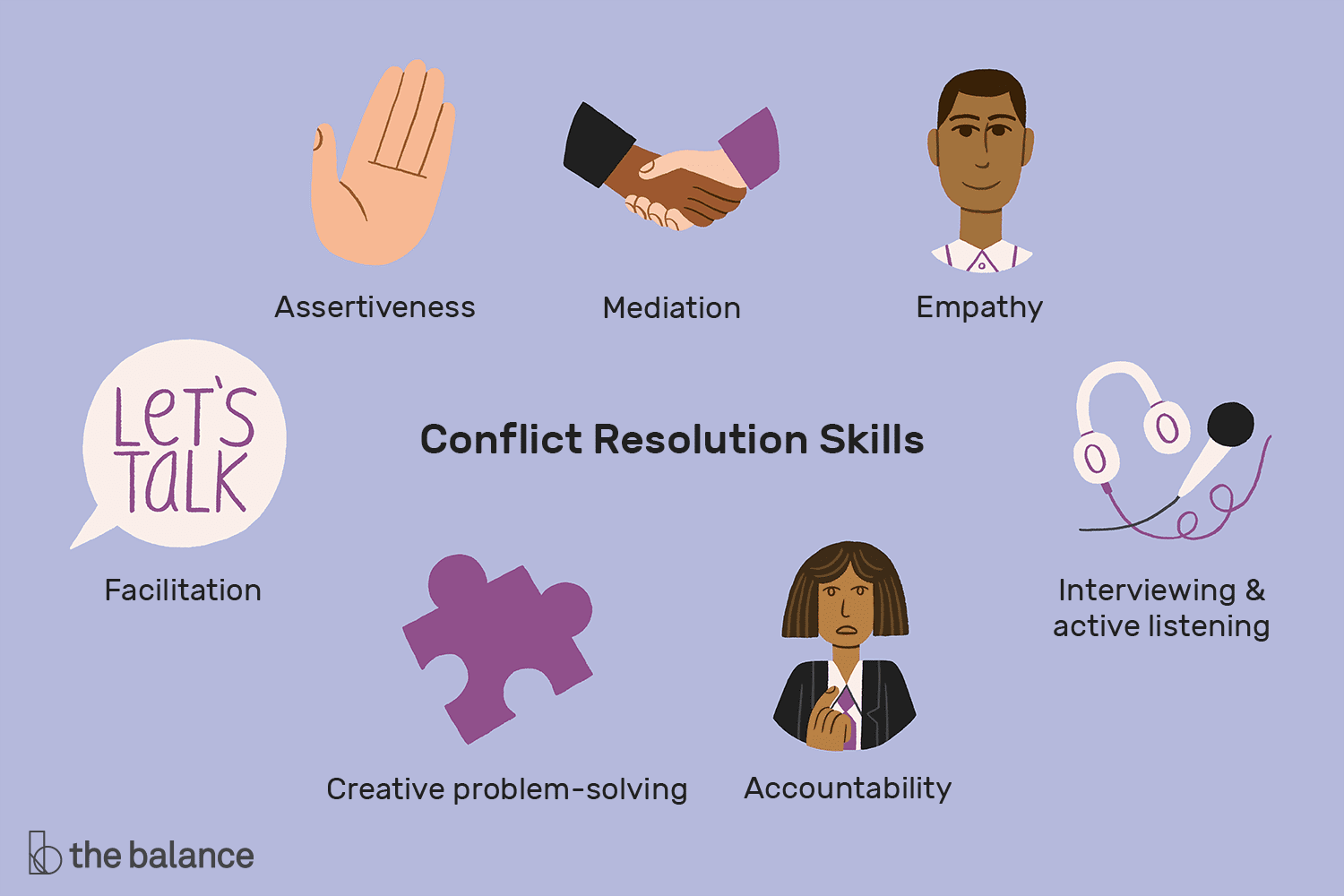
Source: The Balance
Provide training.
An employee could be disgruntled due to an inability to perform their assigned tasks. Or it could be due to poor performance and feeling overwhelmed. It could also be because they haven’t felt they’ve had development opportunities. In short, disquiet can result if you’re not giving adequate training.
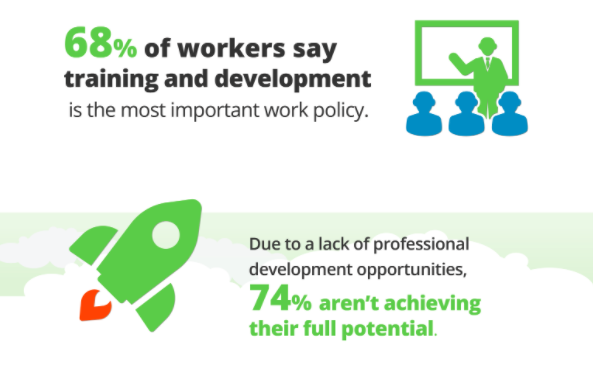
No one wants to feel like they are stagnant, they want to feel like they’re working towards something. In fact, most employees list professional development as very important to them.
Discuss with management about the training options that could be provided. This will give an opportunity for the employee to upskill. In turn, it can help to reduce their dissatisfaction. It will make employees feel more invested in business goals and more loyal to the company’s values. It gives them the tools to feel more prepared in their role, so they can perform their duties better.
This increases their performance and overall confidence in the workplace. And of course, they’ll learn new skills that can be utilized for your business. Providing professional development and training is a win-win situation.
Lack of opportunity of a better role/position or pay can also cause disgruntlement. Ensure that high performing employees are kept engaged. Give them challenging assignments or cross-functional exposure.
Source: BetterBuys
Keep records.
Make sure you document any conversations with the employee. Keep records of what you say and what is discussed.
Documenting a situation with a disgruntled employee is important. It creates a paper trail of when you became aware of a situation and what steps you took to fix things. This adds protection from claims of discrimination or negligence should a situation escalate.
Writing down grievances also helps to keep the facts straight. When an employee comes into your office with issues, ask them if it’s ok to write down their points. These conversations can get emotional, but try to stay rational. Write down just the facts and then repeat them back. Confirm with them that what you have written is the issue at hand.
It’s important to have detailed notes as other people become involved and details unfold.
Implement ongoing dialog.
To ensure that the employee feels valued, continue to follow up with them. Even after the initial conversation is over. If they had some training, make sure to check-in after the training is over. Find out if they feel they need any further guidance or support. Always guide the situation as if you expect the best not the worst from the employee.
After dealing with a disgruntled employee, you’ll want to recognize the warning signs. If you managed it well, you hopefully won’t have to deal with the same situation again. But it’s possible it could recur, so you’ll want to catch it early if so.
Implement a closer working relationship with the employee going forward. That way they’ll feel like their opinions are being listened to. And you’ll be more prepared should a similar situation happen again.
Keep the disgruntled employee aware that you’re actively working on solutions. Start proactively asking questions on a routine basis. This is a much better approach than waiting for things to bubble up to the surface.
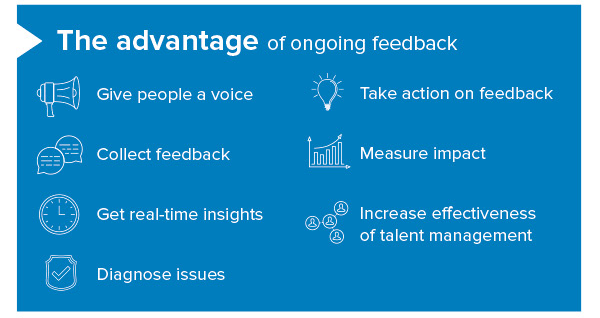
Make a habit of asking employees what they think is working and not working within the company. They will feel more involved and you will be able to get on top of issues before they become a problem. Make check-ins and feedback an ongoing part of the company culture.
Source: Saba
Make a small gesture.
You need to approach these discussions with the right attitude. Make it clear to the disgruntled person that you want to help them. It won’t help to go on the offensive, or blame them for not fitting in well enough. One way to let them know you’re listening can be to make a gesture, even if it’s small.
In order to come to an understanding, it can help to offer a concession. That way, everyone is happy and you’ll appear considerate to the view of the employee. The disgruntled person can feel like they have won something, which makes it easier for them to move on. They may even realize that they are wrong and may try to change.
It’s even possible there was an error or a problem on behalf of the company or management personnel. Make a gesture of apology and correct the problem immediately so it doesn’t happen again. This shows your employee you recognize the error and are willing to admit it and make things right.
Foster a collaborative workplace.
Creating a good workplace can help prevent employees from becoming disgruntled. It might seem obvious, but encouraging team members to collaborate can help. Workplace collaboration boosts morale, productivity, and retention rates.
There are many tools that can help any workplace to communicate more effectively. Implementing some of these can help teams to collaborate better. Enterprise communications can help teams to stay more connected. This will make them feel happier within their roles.
Team building exercises within the workplace can help to build a good environment. There are many different ways you can implement team building exercises. Doing so will lead to happier employees who are less likely to be disgruntled. Facilitate employees getting along and feeling comfortable working together.

Source: Wrike
Make sure your employees are feeling supported.
A disgruntled employee may just be that – it might be a one-off situation, applicable only to that one person. But it might also be a symptom of stressed staff or even management issues. Use it as an opportunity to look into the health of your workplace. Are your employees feeling adequately supported and appreciated? Are you providing them with tools that enable them to do their job effectively?
A cheap VoIP service can be a great option for a workplace. It’s a modern and reliable unified communications and collaboration solution. And even better – it will not break the bank. This is an affordable way to help your staff and take some of the pressure off them. They will feel more supported and hopefully less likely to be disgruntled.
An auto attendant can also help to take some stress off employees. It will especially help those in the front-line, who have to answer calls. It allows you to set advanced rules that provide special handling for calls. Filter and manage call flow, ensuring all calls are answered and routed properly.
Supported staff members are more likely to feel happy in their roles. Show your employees you’re dedicated to making their work as stress-free as possible.
Offer Flexible Work Arrangements
Let your employees choose their working hours or location, as long as they get their work done effectively and on time.
This gives them the freedom to manage their personal commitments better and reduces the chances of dissatisfaction.
Research backs this up. The World Economic Forum found that offering flexible work options helps employees improve their work-life balance while boosting their productivity.
Consider exploring telecommuting, flextime, compressed workweeks, and job sharing.
Reward Their Efforts
Recognizing hard work is key to keeping everyone engaged at work. When people don’t see their efforts noticed, it brings them down.
A simple “thank you” or a shout-out during a team meeting can mean a lot. Also, bonuses, an extra day off, or even a small gift shows your employees that you see the hard work they’re putting in.
Equally important is having a fair and transparent promotion system. Employees should understand the career advancement path and feel confident that promotions are merit-based.
If you overlook someone for a well-deserved promotion, you can’t blame them for becoming disgruntled.
Do Nothing
Sometimes, family conflicts, health issues, or financial strain interfere with work performance. Not every problem needs you to jump in with a fix.
In situations like these, just be there for your employees. Giving them breathing room to sort their stuff out can be just what they need.
Conclusion
Conversations with disgruntled employees can be challenging — but they also present an opportunity to improve your workplace and better support your team. Approaching these situations with empathy can help you grow as a manager while fostering higher engagement and a more positive work environment.
That said, even with the right approach, not every situation can be resolved. Some employees may remain dissatisfied despite your efforts to address concerns and improve conditions.
If their behavior continues to negatively impact the team, you may need to consider next steps. However, this should always be a last resort. Replacing employees is costly, so your primary focus should be on helping them succeed and feel supported in their role in 2026.
JD enjoys teaching people how to use ZoomShift to save time spent on scheduling. He’s curious, likes learning new things everyday and playing the guitar (although it’s a work in progress).